7 Things to Know Before Getting Your Flu Shot in 2026
Discover 7 things to know before getting your flu shot in 2026, from vaccine timing and effectiveness to side effects and who may benefit.

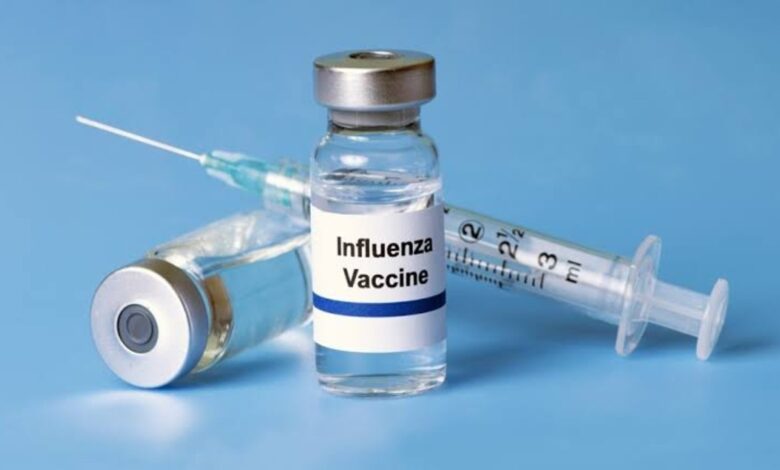
As flu activity begins rising earlier than usual in some parts of the United States, health professionals are encouraging people to consider getting vaccinated before the virus spreads more widely. The 2026–2027 flu vaccines are available, making October a very important time for people to review their vaccination plans. Source: The Washington Post
Before booking an appointment, there are several things to understand about flu vaccine timing, effectiveness, every possible side effect and who may benefit most from vaccination.
1. October Is a Good Time to Consider a Flu Shot
September and October are suitable months for most people to receive their seasonal flu vaccine, according to the U.S. Centers for Disease Control and Prevention (CDC).
Getting vaccinated before flu viruses circulate gives the body time to develop protection. However, vaccination can be beneficial later in the season, so people who have yet to receive their shot should discuss the appropriate timing with a healthcare professional.
2. It Takes About Two Weeks to Develop Protection
A flu shot does not necessarily provide immediate protection against influenza. The human body generally needs about 2 weeks after vaccination to develop antibodies that help protect against the viruses targeted by the vaccine.
This is one reason health authorities encourage people to consider vaccination before flu activity reaches its seasonal peak. However, protection can vary between individuals and may decline over time.
3. Flu Vaccines Are Updated Every Year
Influenza viruses can change over time, which means a vaccine designed for one season may not provide the best possible match for viruses circulating in a later season.
4. Some People Face a Higher Risk of Flu Complications
Although influenza can affect anyone, certain groups of people face a greater risk of developing serious complications.
These include older adults, young children, pregnant women and individuals with certain chronic medical conditions. For these groups, a healthcare professional can explain the potential benefits of vaccination and whether additional precautions are appropriate.
People caring for vulnerable relatives also want to discuss vaccination and other ways to reduce the spread of respiratory infections.
5. Mild Side Effects Can Occur After Vaccination
Some people experience temporary side effects after receiving a flu shot. Common reactions include soreness and swelling around the injection site, headache, muscle aches, mild fever and fatigue.
These reactions resolve on their own within a few days. Serious allergic reactions are rare, but anyone experiencing difficulty breathing, swelling of the throat or other signs of a severe allergic reaction should seek emergency medical attention.
People who have previously experienced a severe reaction to a flu vaccine should tell their healthcare provider before receiving another dose.
6. Getting a Flu Shot Does Not Guarantee You Will Avoid the Flu
Flu vaccination reduces the risk of influenza and can lower the likelihood of severe illness, hospitalisation and other complications. However, it does not guarantee that a vaccinated person will never contract the virus.
Protection varies depending on factors such as the match between the vaccine and circulating viruses, a person’s age and their immune response. Even when infection occurs, vaccination may help reduce the severity of the illness.
People should therefore continue practising good hygiene, staying home when sick and avoiding close contact with others when they may be contagious.
7. The Right Vaccine May Depend on Your Age and Health
Different flu vaccines are available for different age groups, and not every formulation is appropriate for every person.
For example, the CDC identifies three flu vaccines as preferential options for adults aged 65 and older: high-dose inactivated, recombinant and adjuvanted inactivated vaccines. For most people younger than 65, no single licensed, age-appropriate vaccine is generally preferred over the others.
People with certain medical conditions, a history of severe allergic reactions or questions about previous doses should consult a healthcare professional about the most appropriate option. Source: CDC
Final Thoughts
With the flu activity rising early in some parts of the United States, understanding the available vaccines and when to receive them can help people make informed decisions ahead of the winter season.
A flu shot is not a guarantee against infection, but it can help reduce the risk of illness and serious complications. People who are still unsure about their vaccination status or which vaccine is suitable for them should seek advice from a qualified healthcare professional and consult current public health guidance.