Falkland Islands: Brief History of the Disputed Territory
Discover the history of the Falkland Islands, from early European settlements and competing claims to the 1982 war and today's sovereignty dispute.

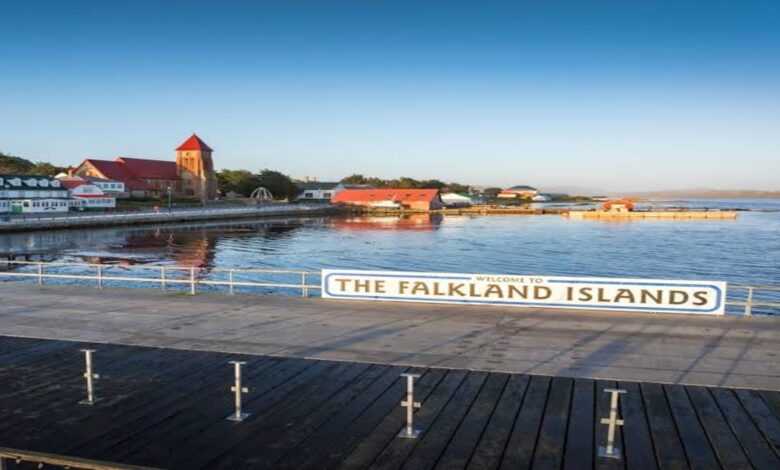
The Falkland Islands, known in Argentina as the Islas Malvinas, are a remote group of islands in the South Atlantic whose sovereignty has been disputed for centuries.
These islands are currently a self-governing British Overseas Territory, while Argentina continues to claim them as part of its territory.
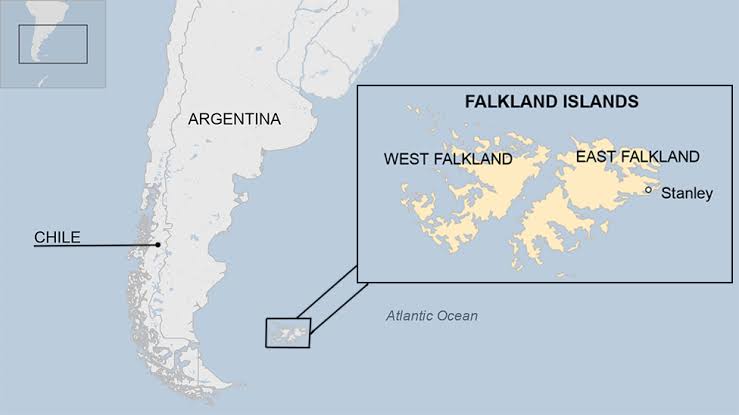
According to the Falkland Islands Government, English navigator John Davis is credited with the first sighting in 1592, while Captain John Strong made the first recorded landing in 1690. The islands later became the subject of competing British, French and Spanish settlements and claims.
Britain established a settlement at Port Egmont in 1765, while France had established a settlement at Port Louis the previous year. Spain subsequently took control of the French settlement, while Britain and Spain became involved in a dispute over Port Egmont.
The modern sovereignty dispute became even bigger after the collapse of Spanish rule in South America.
Argentina began to assert its claim to the islands in the 19th century, while Britain re-established control in 1833. The Falkland Islands Government says a permanent British administration was established shortly afterwards, with Stanley becoming the capital.
Argentina Invaded The Falkland Islands
The most dramatic chapter in the islands’ history came in 1982, when Argentina invaded the Falklands.
Britain responded to the invasion with a military task force, and the struggle lasted 74 days before Argentine forces surrendered on June 14, 1982. The war resulted in the deaths of hundreds of British and Argentine military personnel as well as 3 Falkland Islanders.
The war may have ended the Argentine occupation, but it did not settle the sovereignty dispute.
Today, the Falkland Islands remain under the British administration and have extensive internal self-government. In a 2013 referendum, 99.8% of participating voters chose to be a British Overseas Territory, according to the Falkland Islands Government.
Argentina, however, keeps to its sovereignity claims over the territory.
That long-running dispute explains why the Falkland Islands can quickly become an international news story whenever Britain, Argentina or another major power raises questions about sovereignty or defence.