High Blood Pressure: 9 Common Signs and Symptoms to Know
Learn nine warning signs linked to severely high blood pressure, why hypertension often has no symptoms, and when to seek urgent medical care.

High blood pressure is a health condition that can develop without obvious warning signs. Many people continue their daily activities without realising that their blood pressure is elevated, only discovering the problem during a routine medical check or after complications develop.
According to the World Health Organization (WHO), an estimated 22 million Nigerian adults aged 30–79 had hypertension in 2024. Only around 13% had their blood pressure under control.
Although hypertension is often called a silent killer, some people with severely elevated blood pressure may experience warning symptoms. Recognising these symptoms is important, but it is equally important to understand that they can have other causes and cannot confirm a diagnosis on their own.
Here are nine possible warning signs to know and when to seek medical attention.
9 Possible Signs and Symptoms of High Blood Pressure
1. Severe Headaches
A severe headache can sometimes occur when blood pressure becomes dangerously high. The pain may be intense or accompanied by other symptoms, such as changes in vision or confusion.
However, headaches are common and can result from stress, dehydration, migraines and other conditions. Having a headache does not automatically mean someone has hypertension.
A sudden, unusually severe headache, particularly with weakness, confusion or vision problems, requires urgent medical assessment.
2. Blurred Vision or Other Vision Changes
Severely elevated blood pressure can affect blood vessels in the eyes and may lead to blurred vision or other visual disturbances.
Some people may notice difficulty focusing, while others may experience sudden changes in their eyesight. These symptoms should not be ignored, particularly when they appear alongside a very high blood pressure reading.
Vision changes can also result from eye conditions, diabetes and other medical problems. A healthcare professional should assess the cause rather than assuming hypertension is responsible.
3. Chest Pain
Chest pain can be a warning sign of a serious cardiovascular problem. Very high blood pressure places additional strain on the heart and may occur alongside conditions such as a heart attack.
The discomfort may feel like pressure, tightness, squeezing or pain in the chest. It may also spread to the arms, back, neck or jaw.
Chest pain should never be dismissed as ordinary high blood pressure. Seek emergency medical care if it is new, severe, persistent or accompanied by sweating, nausea or difficulty breathing.
4. Difficulty Breathing
Feeling unusually short of breath can sometimes accompany a hypertensive emergency or a related heart problem.
A person may struggle to breathe normally, experience breathlessness at rest or find it difficult to lie down comfortably.
However, breathing difficulties can have several causes, including asthma, lung disease and heart conditions. Sudden or severe difficulty breathing requires emergency medical attention, regardless of whether high blood pressure has been diagnosed.
5. Dizziness or Lightheadedness
Dizziness is another symptom people sometimes associate with high blood pressure. Someone experiencing it may feel faint, unsteady or as though the surroundings are moving.
However, dizziness is not a reliable indicator of hypertension. It can occur because of dehydration, low blood pressure, medication effects, inner-ear problems and other conditions.
If dizziness is sudden or severe, particularly when accompanied by difficulty speaking, weakness, loss of balance or changes in vision, seek emergency care.
6. Nausea and Vomiting
Nausea and vomiting may occur in some people experiencing a hypertensive emergency, particularly when other serious symptoms are present.
These symptoms are not specific to high blood pressure. Food-related illness, infections, pregnancy and many other conditions can also cause them.
Repeated vomiting combined with a severe headache, confusion, chest pain or a very high blood pressure reading requires urgent medical assessment.
7. Confusion or Altered Mental Awareness
Confusion can be a particularly concerning warning sign when blood pressure is extremely high.
Affected individuals may have difficulty thinking clearly, responding appropriately or understanding what is happening around them. In severe cases, this may indicate that the brain is being affected.
Sudden confusion is a medical emergency, especially when accompanied by a severe headache, weakness, difficulty speaking or changes in vision. Do not wait for the symptoms to disappear before seeking help.
8. Nosebleeds
Nosebleeds are sometimes associated with high blood pressure, but they are not a dependable sign of hypertension.
Dry air, irritation, injury and several other factors can cause bleeding from the nose. A person may have nosebleeds while their blood pressure is normal, or have hypertension without experiencing a single nosebleed.
Frequent or difficult-to-control nosebleeds should be assessed by a healthcare professional. If a nosebleed occurs alongside severe symptoms or a dangerously high blood pressure reading, seek urgent medical advice.
9. A Racing or Irregular Heartbeat
Some people with severely elevated blood pressure or related cardiovascular problems may experience palpitations, which can feel like a racing, pounding or irregular heartbeat.
Palpitations can also occur because of anxiety, caffeine, certain medicines, thyroid problems or an abnormal heart rhythm. They do not necessarily mean blood pressure is high.
Seek urgent medical attention if palpitations are accompanied by chest pain, fainting, severe dizziness or difficulty breathing.
Why High Blood Pressure Often Has No Symptoms
Despite the symptoms discussed above, most people with hypertension do not experience noticeable warning signs. Someone can feel completely healthy while their blood pressure remains elevated.
This is why headaches, dizziness and nosebleeds should not be used as a checklist for diagnosing the condition. Equally, the absence of these symptoms does not mean a person’s blood pressure is normal.
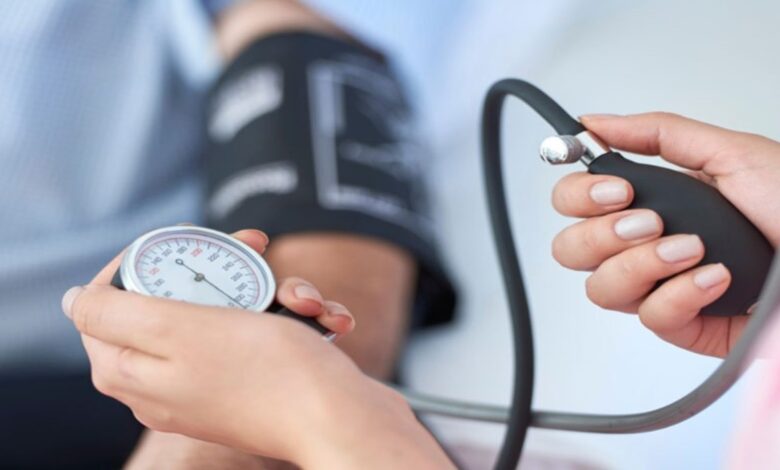
The only reliable way to know whether blood pressure is elevated is to measure it with a suitable blood pressure monitor and have the results assessed appropriately.
According to the WHO, hypertension in adults is generally diagnosed when readings are consistently at or above 140/90 mmHg on measurements taken on different days. Some clinical guidelines use lower thresholds, so diagnosis and treatment decisions should be based on the applicable guideline and individual circumstances.
When Should You Seek Emergency Medical Attention?
A blood pressure reading above 180/120 mmHg is dangerously high and requires immediate attention.
If you obtain a reading at this level, wait at least one minute and measure it again. If it remains this high, seek immediate medical advice. If you also experience chest pain, difficulty breathing, weakness, numbness, confusion or changes in vision, call emergency services or go to the nearest emergency department immediately. Do not delay care to keep repeating measurements.
Do not attempt to lower dangerously high blood pressure rapidly with extra medication unless a healthcare professional specifically instructs you to do so.
How Can You Know If You Have High Blood Pressure?
Because hypertension often develops without symptoms, regular blood pressure checks are essential.
You can have your blood pressure measured at a healthcare facility or use a validated home blood pressure monitor. For a more reliable reading, sit quietly for five minutes, keep your back supported and feet flat on the floor, and rest your arm at heart level. Use the correct cuff size and avoid talking during the measurement.
If your readings are repeatedly high, arrange a medical assessment. A healthcare professional can confirm whether you have hypertension and recommend an appropriate treatment plan.
Reducing salt intake, eating a balanced diet, exercising regularly, maintaining a healthy weight and taking prescribed medication can help control blood pressure. Do not stop or change prescribed medication simply because you feel well.
Final Thoughts
High blood pressure can cause serious health complications even when there are no obvious symptoms. While severe headaches, vision changes, chest pain and other warning signs may occur in some circumstances, none can reliably confirm hypertension on its own.
The safest approach is to know your blood pressure numbers, attend regular health checks and seek urgent medical care when severe symptoms occur.
Do not wait until you feel unwell to check your blood pressure. Knowing your numbers can help protect your heart, brain and kidneys.
Medical note: This article is for general information and is not a substitute for professional medical advice, diagnosis or treatment.