MTN FibreX vs Starlink: Which One Is Better for Nigerians?
MTN FibreX is trending in Nigeria, but how does it compare with Starlink? See their speeds, technology, coverage, costs and which is better for you.

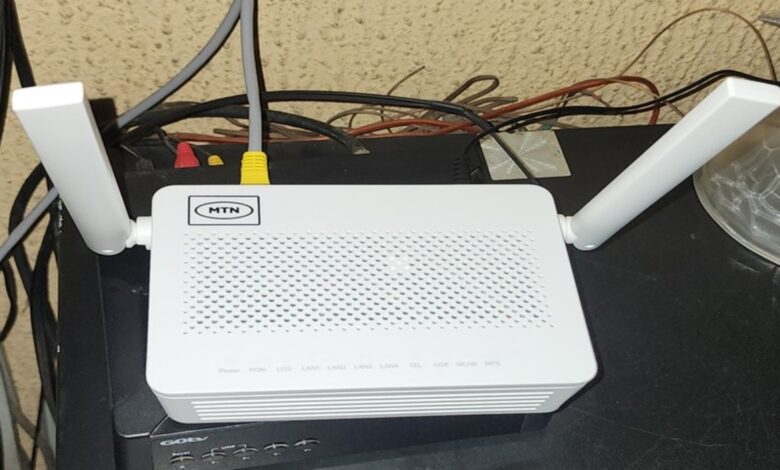
The MTN FibreX gained attention in recent days among Nigerians looking for faster and more reliable home internet, particularly as more people compare it with satellite internet provider Starlink.
The biggest difference between the two is how they deliver internet. MTN FibreX uses fibre-optic infrastructure connected directly to homes and businesses, while Starlink connects its user to the internet through satellites in low Earth orbit.
MTN’s current FibreX lineup offers unlimited plans ranging from 50Mbps to 1Gbps, with the 50Mbps Basic plan listed at ₦30,000 for 30 days on MTN’s official website. The higher tiers include 100Mbps for ₦45,000, 200Mbps for ₦70,000, 300Mbps for ₦100,000 and 1Gbps for ₦200,000.
This makes FibreX particularly interesting for people who already live in areas covered by MTN’s fibre network.
What Can MTN FibreX Do?
For a household with many people connected at once, FibreX can handle activities such as streaming, video calls, online classes, gaming, social media and large downloads without relying on mobile data bundles.
The fibre connection is useful mostly for people working remotely because a wired broadband connection generally offers a more direct route to the internet than wireless connections.
MTN has expanded FibreX into additional locations, although availability remains dependent on whether MTN’s fibre infrastructure has reached a particular area. The company provides a dedicated coverage page where customers can always check for its availability.
This is arguably the biggest limitation of FibreX: having MTN network coverage on your phone does not mean FibreX is available on your street.
MTN FibreX vs Starlink
Starlink has a major advantage in terms of reach. Because it make use of satellites rather than physical fibre cables, it can provide internet in locations where fibre infrastructure isn’t available.
This makes Starlink very useful for people in rural or underserved areas where getting a fibre connection may be difficult.
FibreX, however, can make more sense for someone living in an urban area where MTN has deployed its fibre network. The user does not need a satellite dish and can choose a plan based on the speed required.
There is also a significant difference in the initial setup. Starlink requires its satellite equipment, while MTN FibreX is installed through its fibre network and MTN has promoted free installation and equipment on some FibreX offers.
Which One Should You Choose?
For someone in an area with MTN FibreX coverage, FibreX is an attractive alternative to Starlink, especially if the priority is affordable high-speed home internet.
A 50Mbps FibreX plan can be enough for ordinary household browsing, streaming, remote work and several connected devices, while users with heavier requirements can move up to 100Mbps, 200Mbps, 300Mbps or 1Gbps.
Starlink becomes more compelling when fibre isn’t available or when the user needs a connection in a location where traditional broadband infrastructure is limited.
So, the question isn’t necessarily if MTN FibreX is better than Starlink. For many Nigerians, the better choice will depend on where they live, how many devices they need to connect, their required speed and how much they are prepared to spend.
For an urban household with FibreX coverage, MTN’s fibre service could offer a cheaper route to fast home internet. For someone outside a reliable fibre coverage area, Starlink’s satellite-based connection can be the more practical option.