El Niño Weather Could Bring Major Changes Around the World
El Niño weather conditions are strengthening across the tropical Pacific, with scientists warning that such developing event could become exceptionally strong and influence temperatures and rainfall patterns around the world.

El Niño weather conditions are strengthening across the tropical Pacific, with scientists warning that such developing event could become exceptionally strong and influence temperatures and rainfall patterns around the world.
The US National Oceanic and Atmospheric Administration (NOAA) said in its August 13 advisory that there is a more than 90% chance of a very strong El Niño during the Northern Hemisphere autumn and winter of 2026–27.
What Is El Niño?
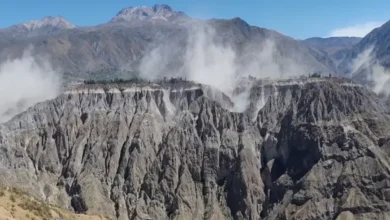
El Niño is the warm phase of the El Niño-Southern Oscillation (ENSO), a recurring climate pattern that involves changes in sea-surface temperatures and atmospheric conditions over the tropical Pacific. Its effects can extend far beyond the Pacific, influencing weather patterns in countries such as Peru, which recently experienced a powerful Peru earthquake.
Why Does El Niño Matter?
El Niño matters because any changes in Pacific Ocean temperatures can always alter the atmospheric circulation and influence weather patterns far beyond the Pacific.
The resulting changes can affect rainfall, drought, temperature and extreme-weather events in different parts of the world.
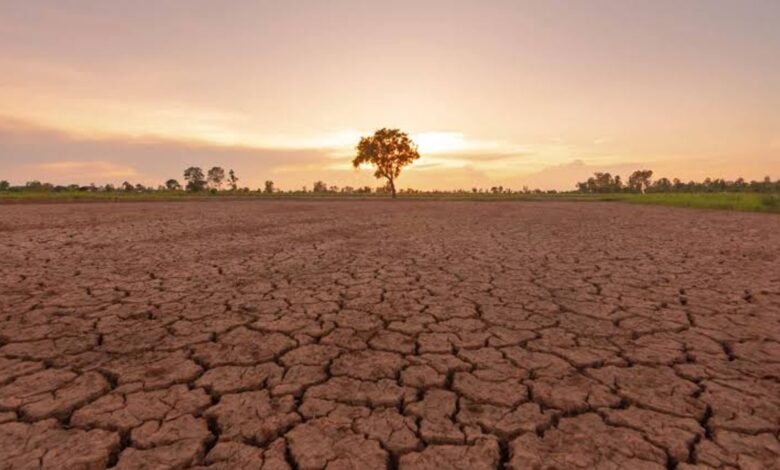
However, El Niño does NOT produce the same weather everywhere, meaning one region can experience unusually wet conditions while another faces increased drought.
What Could El Niño Mean for Africa Counties?
Africa is among those regions where above-normal temperatures are expected in the current WMO seasonal outlook. The WMO’s August–October forecast shows a strong signal for above-normal temperatures across most of the continent, while rainfall outcomes vary between regions.
For eastern Africa counties, for example, the WMO reported this week that parts of the Greater Horn of Africa are expected to be warmer and wetter than usual during October–December, with El Niño and a developing positive Indian Ocean Dipole contributing to the outlook.
That regional example also shows why it would be misleading to say that El Niño simply makes all Africa countries hotter or drier.
What Happens Next?
Scientists will continue monitoring the Pacific Ocean and atmospheric conditions of regions as El Niño develops through the remainder of 2026. NOAA’s current outlook gives a 100% probability of El Niño conditions for several overlapping forecast periods through early 2027, although the strength and eventual regional impacts can vary.
For now, the message from climate agencies is less about predicting one identical outcome everywhere and more about preparing for significant changes in temperature and rainfall patterns.