Israel Elections: Can Netanyahu Stay In Power After Vote?
Israel’s 2026 election has left Netanyahu facing a tough path to power. See the latest results and what coalition talks could mean.

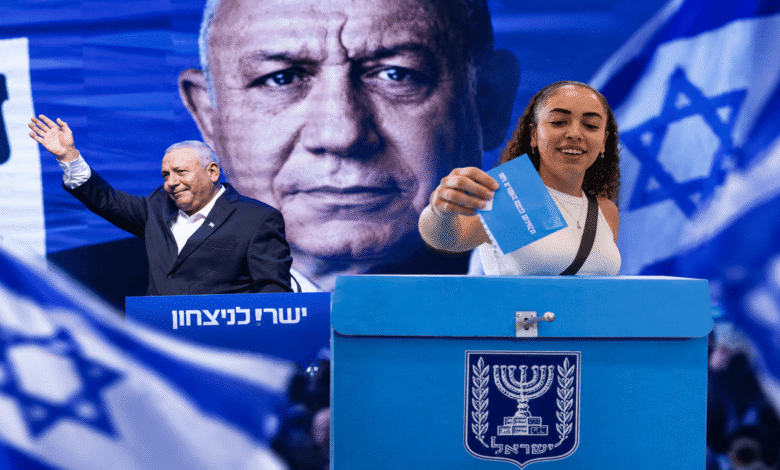
The Israel election has taken a dramatic turn after the country’s October 27, 2026, general election ended without a clear winner. Prime Minister Benjamin Netanyahu’s ruling bloc and the opposition led by former military chief Gadi Eisenkot are competing to secure support to form Israel’s next government. Initial exit polls pointed to a deadlock, leaving Netanyahu’s future uncertain.
What Do The Israel Election Results Mean For Netanyahu?
Results reported on October 28 put Netanyahu’s bloc ahead with a projected 55 seats, while Eisenkot’s opposition bloc was projected to hold 49. Palestinian-led parties could account for the remaining seats, although the figures can change as counting continues. Neither major bloc has reached the 61 seats needed for a majority in Israel’s 120-member parliament, known as the Knesset.
Netanyahu has called for a strong right-wing government and said his Likud party would emerge as the largest party. Eisenkot, meanwhile, has argued that voters want political change. The election follows years of conflict and political controversy, including criticism of the government’s handling of the October 7, 2023, Hamas-led attack and the wars that followed. Source: Associated Press.
The next major challenge will be forming a coalition. Smaller parties, including Arab-led political groups, could influence which candidate has the best chance of securing parliamentary support, although both main camps face political obstacles to working with some of these parties. Netanyahu remains caretaker prime minister while the process unfolds. If neither side can assemble a viable government, negotiations could continue for weeks and another election may eventually become necessary. The final outcome will depend on the completed vote count and subsequent coalition talks.