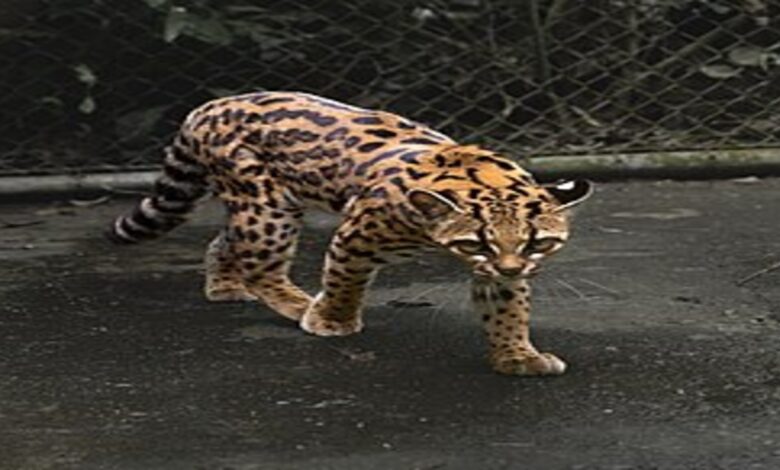
A wild cat discovered in Bolivia has become the first new living cat species to be formally named and described in more than a century. Called Leopardus tilcayo, the spotted cat lives in Bolivia’s Yungas cloud forests and is smaller than the average domestic cat.
This discovery is also a reminder that scientists are still uncovering how diverse the cat family really is. In some cases, cats that were thought to belong to one species have later been shown through genetic evidence to represent separate species.
7 Cat Species Discovered or Recognized Through Science
1. Leopardus tilcayo — The newly identified Bolivian cat
The newest addition to the cat family is the tilcayo, a tiny tiger cat measuring about 46 centimetres long and weighing roughly 1.4 kilograms. Researchers used genetic evidence to establish that it represents a very distinct species that diverged from other tiger cats around 1.4 million years ago.
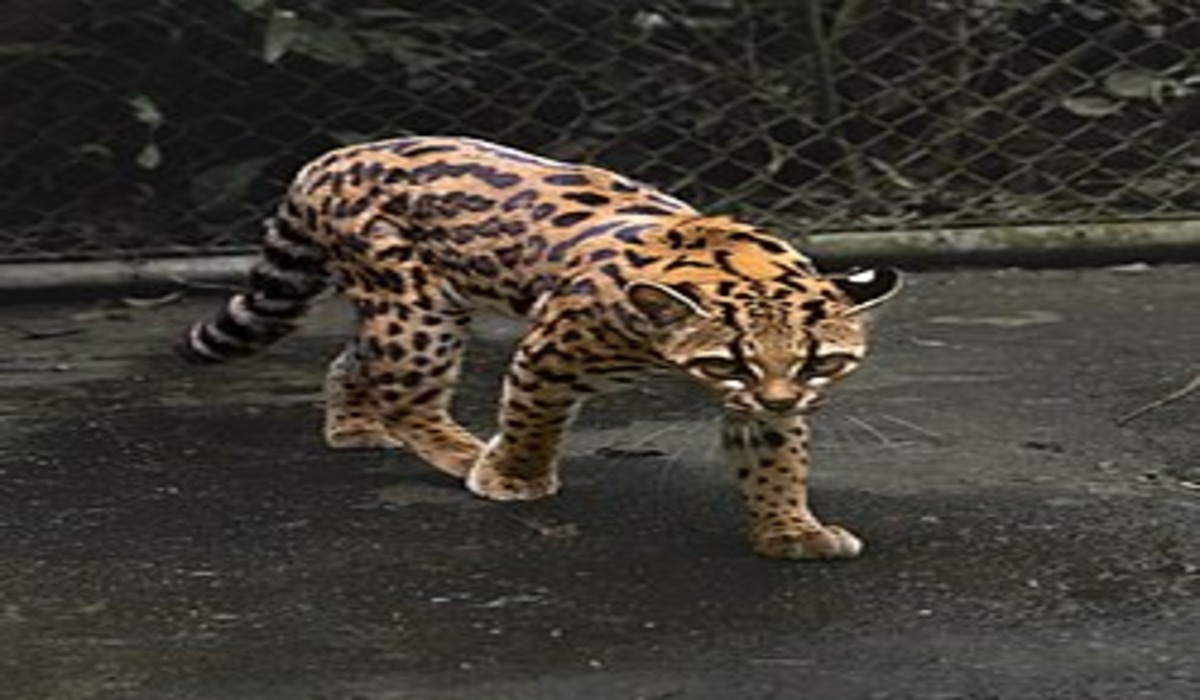
2. Clouded tiger cat — Leopardus pardinoides
The clouded tiger cat was recognized also as a distinct species after researchers combined genetic, physical and ecological evidence. It lives in high-elevation forests across parts of Central and South America and can be difficult to distinguish from other tiger cats.
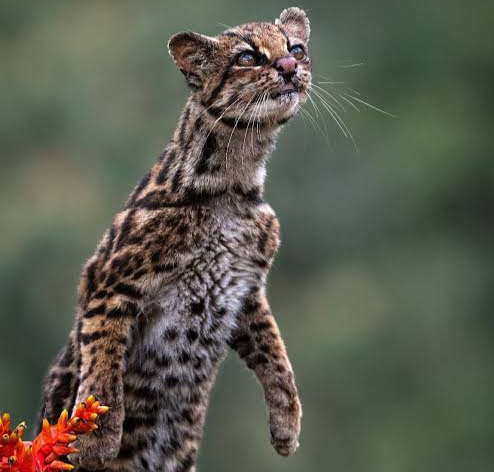
3. Atlantic Forest tiger cat — Leopardus guttulus
Once grouped with other oncillas, genetic research showed that the Atlantic Forest tiger cat represents its own species. It lives in Brazil’s Atlantic Forest and has a distinctive spotted coat and relatively bushy tail.
4. Savanna tiger cat — Leopardus tigrinus
The savanna tiger cat is another member of the tiger-cat group whose identity has been clarified through research. Unlike the clouded tiger cat, it is associated with savanna and dry woodland environments.
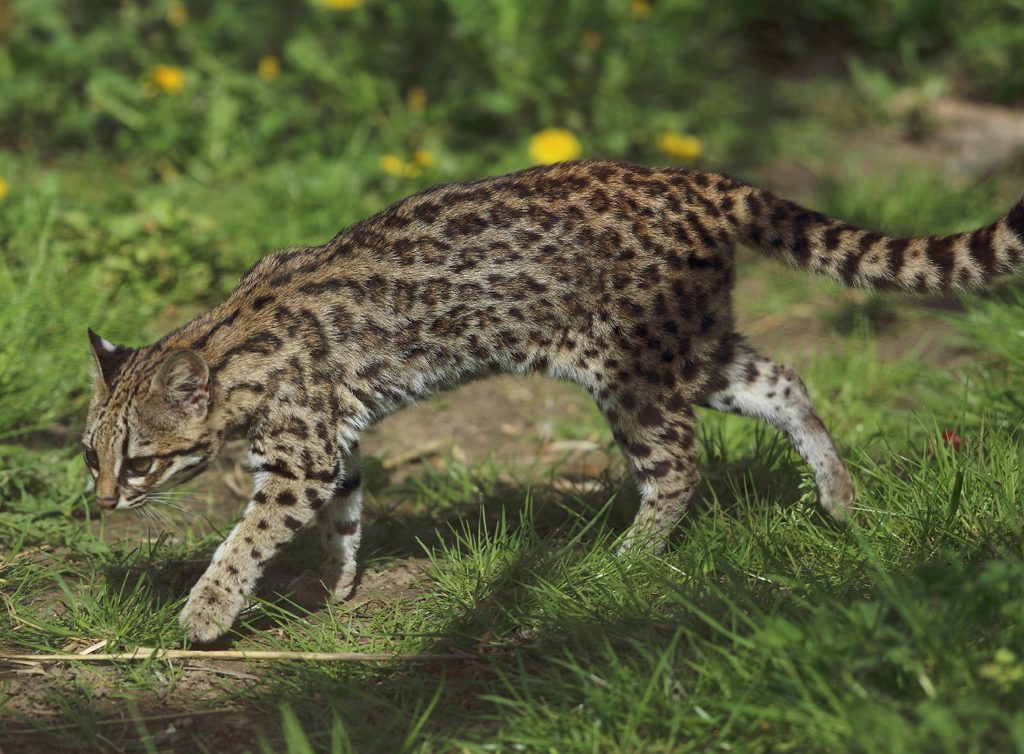
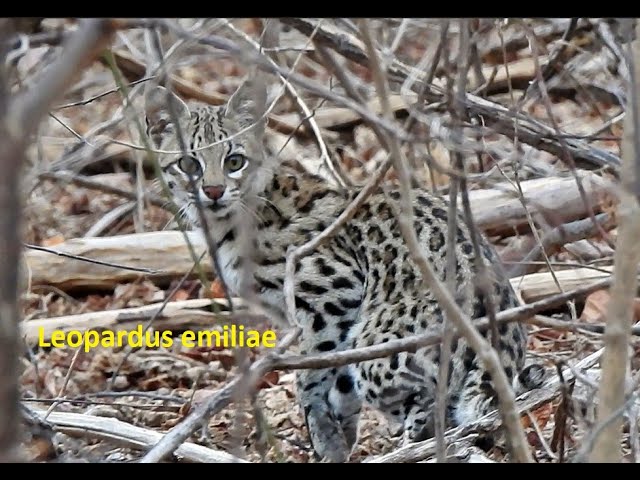
5. Eastern tiger cat — Leopardus emiliae
Genetic and taxonomic research has separated the eastern tiger cat from other tiger-cat populations. The work on these small South American felines shows how species that look remarkably similar can end up having a different evolutionary histories.
6. Oncilla
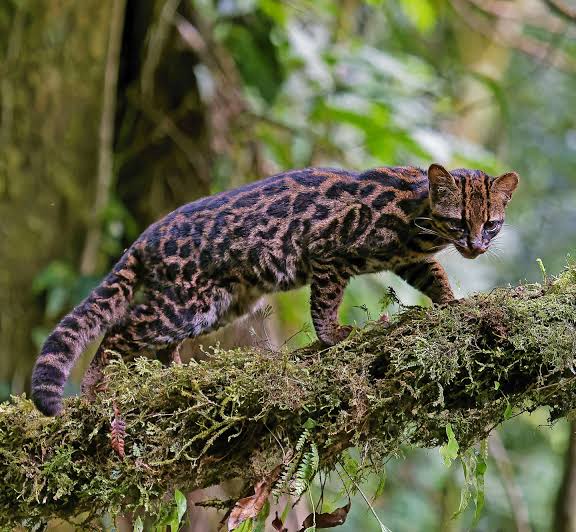
The oncilla is one of the known smallest wild cats in the Americas and was historically treated as a single species. Continues research into its genetics, appearance and geographical distribution has revealed considerably more complexity within the group.
7. Pampas cat
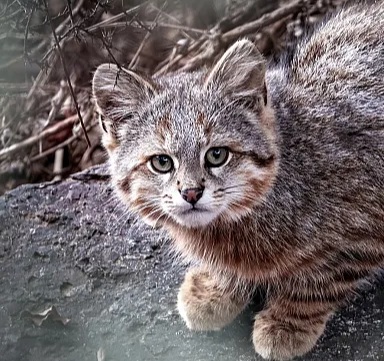
The pampas cat is an example of how scientists continue to refine the cat family tree. Several populations once grouped together have been investigated as distinct evolutionary lineages, showing that identifying a species is sometimes a process that changes as scientists obtain better genetic evidence.
The discovery of Leopardus tilcayo therefore does not simply mean scientists found another small cat hiding in Bolivia. It shows how much remains secluded and unknown about wildlife, particularly in remote forests where animals can be difficult to observe. The new research even identified five distinct tiger-cat species within the group, demonstrating how modern genetics can reveal differences that are almost impossible to see with the naked eye.