PPT Injunction: UK Court Hears Bid To Block Media Reports
The PPT injunction case pits a claimant’s safety concerns against media freedom. Here is what the UK High Court is considering.

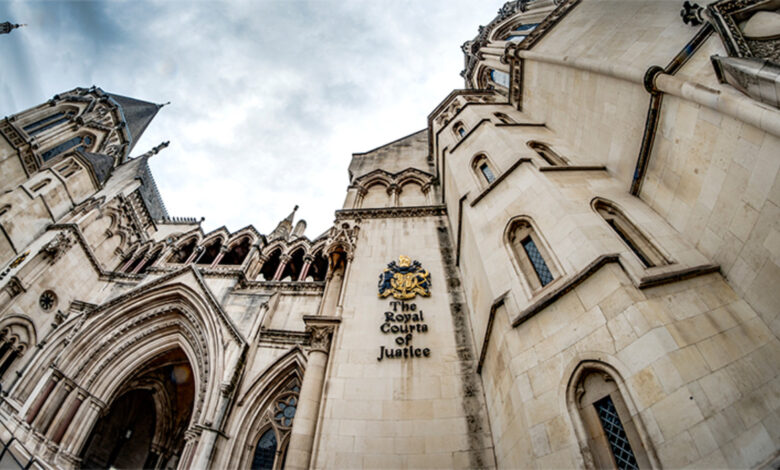
The PPT injunction case is drawing attention in the United Kingdom as a well-known individual asks the High Court to stop 2 major media organisations from publishing serious allegations about his conduct. The claimant, identified only as PPT, has brought legal action against Independent Television News (ITN) and Guardian News & Media, arguing that publication could put his life at risk. The two media organisations oppose the application, and the court is considering the competing legal arguments.
What Is The PPT Injunction Case About?
The claimant is said to be seeking a permanent injunction to prevent the proposed publication and broadcast of allegations concerning his conduct over several years. He denies the allegations and argues that publication could expose him to a serious risk of harm because of his mental health. The media organisations maintain that their investigations support the proposed reporting and argue that the public interest and freedom of expression must also be considered.
The court had previously ruled that the claimant could remain anonymous but refused his request to conceal the identities of the 2 media defendants. In its published judgement on October 9, the High Court made clear that the decision concerned anonymity and the principle of open justice—not whether the underlying allegations were true. During the hearing on October 27, the judge also warned against online speculation intended to identify PPT, stressing that the reporting restrictions remain legally binding.
The trial is scheduled for October 27 and 28, 2026, to determine whether the requested injunction should be granted. The outcome could have implications for the balance between freedom of the press and the protection of individuals facing serious risks. Until the court issues a new decision, it would be inaccurate to claim that the injunction has been granted or refused. Readers should also avoid sharing claims about the claimant’s identity, as doing so could breach the court’s reporting restrictions.