What Is NATO? Members, Purpose And How It Works Explained
What is NATO? Learn about its purpose, all 32 member countries, Article 5 and how the military alliance works.

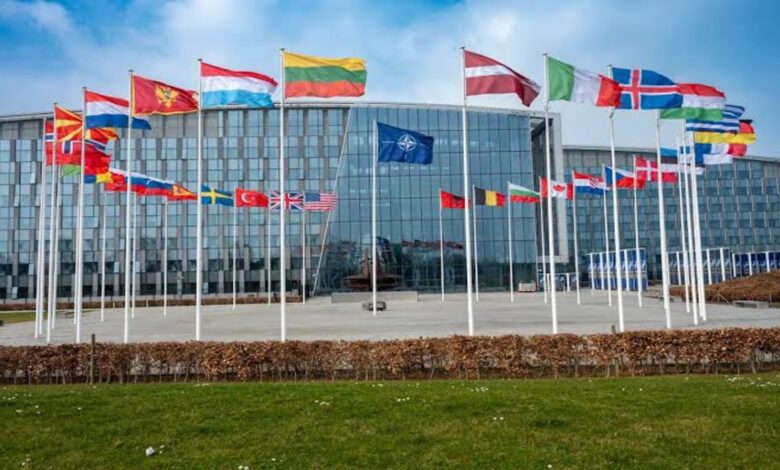
NATO, which stands for the North Atlantic Treaty Organization, is a political and military alliance established on April 4, 1949, to protect the security of countries in Europe and North America. It was originally formed by 12 countries during the early years of the Cold War. Today, NATO has 32 member countries that cooperate on defence, security and international stability. Its headquarters is in Brussels, Belgium.
What Is The Purpose Of NATO?
NATO’s main purpose is to protect its members through collective defence, military cooperation and political consultation. Its most important agreement is Article 5, which states that an armed attack against one member is considered an attack against all. However, each member decides what assistance it considers necessary; this does not automatically mean every country must declare war. Article 5 has only been invoked once, following the September 11, 2001, terrorist attacks in the United States.
NATO Member Countries: Full List Of 32 Members
NATO currently has 32 members, including:
- Albania
- Belgium
- Bulgaria
- Canada
- Croatia
- Czechia
- Denmark
- Estonia
- Finland
- France
- Germany
- Greece
- Hungary
- Iceland
- Italy
- Latvia
- Lithuania
- Luxembourg
- Montenegro
- Netherlands
- North Macedonia
- Norway
- Poland
- Portugal
- Romania
- Slovakia
- Slovenia
- Spain
- Sweden
- Türkiye
- United Kingdom
- United States
How Does NATO Work?
NATO operates through consultation and consensus, meaning all 32 members must agree before an official alliance decision is adopted. Each country has a seat in the North Atlantic Council, the organisation’s main political decision-making body. Members also contribute military personnel, equipment and funding to support agreed defence activities. NATO is not a single country’s army; it is an alliance whose members coordinate their resources to protect their shared security.