Measles: 10 Things to Know About the Disease and Its Risks
Measles can cause serious complications and death, especially in children. Here are 10 important facts about its symptoms, risks and prevention.

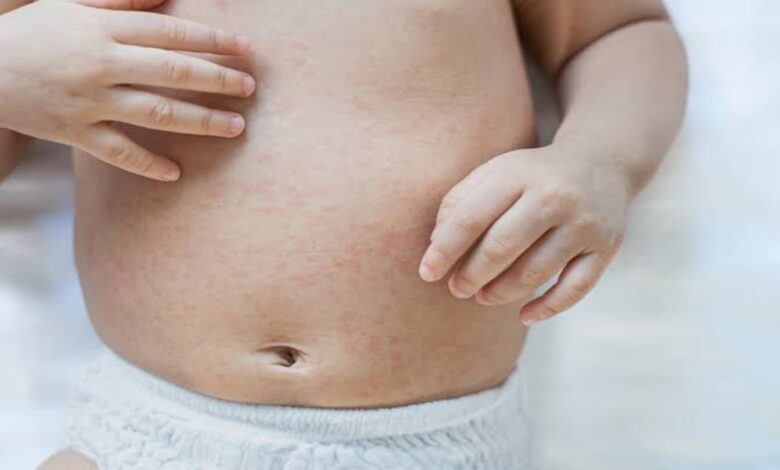
Measles is often associated with childhood fever and skin rashes, but the highly contagious viral disease can have much more serious consequences, including death. According to the World Health Organization (WHO), an estimated 95,000 people died from measles worldwide in 2024, with children under five accounting for most of the deaths.
Although measles is preventable through vaccination, outbreaks continue to threaten communities, particularly where immunisation coverage is low. Here are 10 important things to know about measles, its complications and how it can lead to death.
1. Measles can cause death.
Measles is not always a mild childhood illness. Severe infections can lead to life-threatening complications, especially among young children, people with weakened immune systems and those who are malnourished.
2. Children under five are most vulnerable.
Children younger than five face a higher risk of serious complications and death from measles. Unvaccinated children and those with nutritional deficiencies are particularly at risk.
3. Measles remains a major global health concern.
The WHO estimated that approximately 95,000 people died from measles in 2024. Although this represents a significant decline compared with previous decades, the disease continues to claim lives despite the availability of an effective vaccine.
4. The virus spreads extremely easily.
Measles spreads through the air when an infected person coughs or sneezes. The virus can remain infectious in the air for up to two hours, making it possible for people to become infected even after an infected person has left an area.
5. Early symptoms may resemble a common infection.
Initial symptoms include high fever, cough, runny nose and red, watery eyes. Small white spots may also develop inside the cheeks before the characteristic skin rash appears.
6. Serious complications can lead to death.
Measles can cause pneumonia, severe diarrhoea, dehydration, blindness and encephalitis, which is inflammation of the brain. Pneumonia and other severe complications are among the major reasons measles infections can become fatal.
7. The infection can weaken the immune system.
Measles can damage the body’s immune defences, making an infected person more vulnerable to other infections. This can increase the risk of further illness, particularly in children who are already malnourished.
8. Measles during pregnancy can be dangerous.
Pregnant women who contract measles may face complications, including miscarriage and premature delivery. Babies may also be born with low birth weight.
9. There is no specific antiviral cure for measles.
Treatment focuses on managing symptoms, preventing dehydration and addressing complications. Healthcare professionals may also prescribe vitamin A for children with measles to reduce the risk of complications. Vitamin A should be given under medical supervision, not as a substitute for vaccination or proper treatment.
10. Vaccination can prevent measles deaths.
Measles vaccination remains the most effective way to prevent infection and reduce deaths. The WHO recommends two doses of the vaccine because some people may not develop sufficient immunity after the first dose. Parents and caregivers should check their children’s immunisation records and speak with a healthcare professional about missed doses.
Measles deaths are largely preventable through timely vaccination, early medical attention and improved access to healthcare. Parents should seek medical advice if a child develops symptoms associated with measles, particularly fever accompanied by a rash, and avoid exposing others while infection is suspected.