Things That Could Increase Your Risk of Recurrent Cellulitis
Learn major factors that could increase your risk of recurrent cellulitis, from previous infections and swollen legs to skin problems and diabetes.

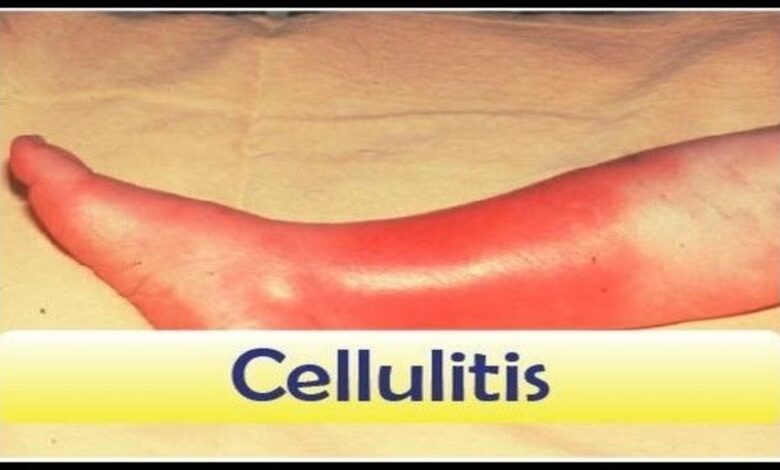
Cellulitis can be cleared from the skin with treatment, but having the infection once does not neam it cannot return. There are certain conditions and changes affecting the skin, circulation and immune system can make recurrent cellulitis more likely.
Cellulitis is a bacterial infection that affects the deeper layers of the skin and surrounding tissue. It mostly develops when bacteria enter through a cut, wound or another break in the skin, although the entry point is not always obvious.
Here are major factors that could increase your risk of experiencing cellulitis again.
1. You Have Had Cellulitis Before
A previous episode of cellulitis is a recognised risk factor for another infection to occur. Meaning someone who has already experienced the condition may need to pay closer attention to changes affecting their skin.
This is particularly important if other risk factors, such as swelling and wounds, are also present.
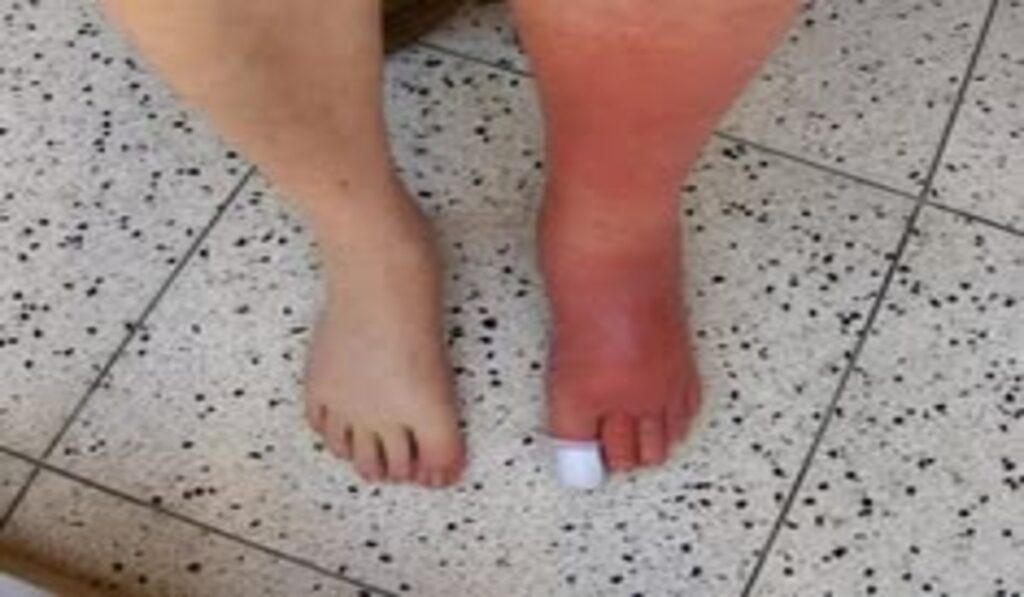
2. Your Legs Are Frequently Swollen
Frequent swelling can be associated with lymphoedema and other problems affecting fluid drainage in the body.
Lymphoedema occurs when the lymphatic system does not properly drain excess fluid from tissues, and people with the condition can experience repeated skin infections, something alongside leg discomfort.
3. Diabetes or Problems With Circulation May Be Present
Some underlying health problems can make cellulitis more likely. Diabetes for instance, can affect immune function and is listed among conditions associated with increased cellulitis risk.
This however does not mean anyone with diabetes or circulation problems will develop cellulitis, but recurring infections can be a reason to discuss underlying risk factors with a healthcare professional.
4. Cuts, Cracked Skin or Other Skin Problems
Great and healthy skin acts as an important shield against bacteria. Cuts, dry cracks and wounds can easily create an opening through which bacteria can reach deeper tissues.
Conditions like eczema also affect the skin barrier and increases vulnerability to infection. Even a slight break in the skin that is difficult to see can potentially provide an entry point for bacteria.
5. You Have Athlete’s Foot
Athlete’s foot is a fungal infection that affects the human feet skin and can cause cracking or other damage between the toes.
Because damaged skin makes it easier for bacteria to enter, health guidance recommends treating athlete’s foot promptly in people who are at increased risk of cellulitis.
Keeping the feet and surrounding skin in good condition can be an important part of reducing avoidable risks.
When Should You Take Cellulitis Seriously?
Cellulitis can cause redness, swelling, and pain in the affected area. The infection can become serious when allowed to spread, so rapidly worsening symptoms or significant illness should not be ignored.
Anyone who notice or observe signs they have cellulitis should seek appropriate medical advice rather than attempting to diagnose or treat the infection based solely on an online article.