Why Can Some People Move Their Ears When They Hear a Sound?
Have you ever noticed someone move their ears when they hear a sudden noise, or discovered that you can move yours on command? The ability may look strange, but it has a connection to muscles and an old sound-orienting system that humans still appear to retain somehow.

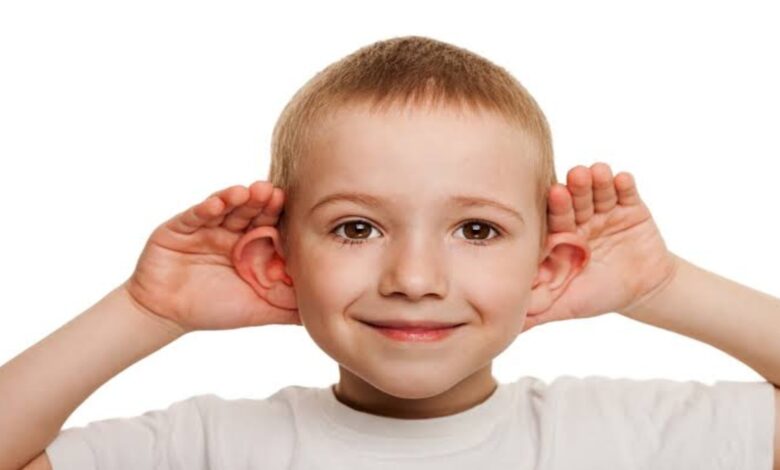
Have you ever noticed someone move their ears when they hear a sudden noise, or discovered that you can move yours on command? The ability may look strange, but it has a connection to muscles and an old sound-orienting system that humans still appear to retain somehow.
Humans have several smaller muscles around the outer ear, known as the auricular muscles. While majority cannot deliberately move their ears very much, some people can instinctively learn to control these muscles well enough to visibly move their ears.
But there is an interesting part: research suggests that these muscles can also respond when people pay attention to sounds.
Humans Once Had More Mobile Ears
Animals such as dogs can turn their ears toward sounds that attract their attention. Humans, however, cannot normally move their ears with anything close to that level of precision. Scientists have nevertheless found evidence that the human auditory system may have somehow retained part of an older ear-orienting mechanism.
So Why Can Some People Wiggle Their Ears?
The smaller muscles responsible for moving the outer ear are still present in humans. The difference is that most people have very limited voluntary control over them.
Some people, however, can activate these muscles consciously and produce a noticeable ear movement. Others somehow develop the ability through repeated practice.
This does not necessarily mean their hearing is better than someone else’s. Ear-wiggling is primarily about control of muscles around the ear, rather than having a special hearing.
Your Ears Are Not Working Like a Dog’s
It would be an exaggeration to say that humans can point their ears toward every sound.Researchers, however, have found evidence of tiny muscle responses that appear to be connected with auditory attention. These responses represents remnants of an older system that helped animals orient their ears toward important sounds.
Is Ear-Wiggling Rare?
Yes. Not everyone can deliberately move their ear muscles, and the degree of control varies considerably between people.
An Old Body Feature That Never Completely Disappeared
Human being have evolved away from the highly mobile ears seen in many other mammals, but the muscles and some associated neural activity remain.