Sleep Apnea: Why Do People Stop Breathing in Their Sleep?
Why do people stop breathing in their sleep? Learn how sleep apnea causes breathing pauses, its warning signs, risk factors and when to seek help.

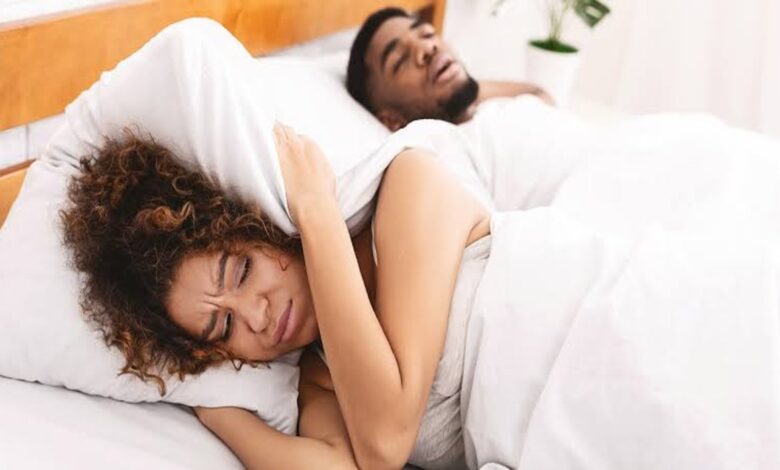
Have you seen and ever wondered how someone can suddenly stop breathing while asleep without even knowing it happened? This can occur with sleep apnea, a sleep disorder in which breathing repeatedly stops or becomes severely reduced during the night, sometimes for several seconds at a time.
The most common type, obstructive sleep apnea, happens when the muscles supporting the throat relax during sleep and the airway becomes narrowed. When airflow stops, the brain senses the change and can briefly wake the person enough to reopen the airway and resume breathing, often without the person knowing or remembering the interruptions the next morning.
What Happens When Breathing Stops During Sleep?
These interruptions can happen a couple of time throughout the night, disrupting normal sleep even when the person appears to remain asleep. As a result, people with sleep apnea tends to wake up feeling tired despite spending enough hours in bed.
Loud or persistent snoring, gasping or choking during sleep, morning headaches and excessive daytime sleepiness can all be signs of sleep apnea. However, snoring alone does not necessarily mean someone has it.
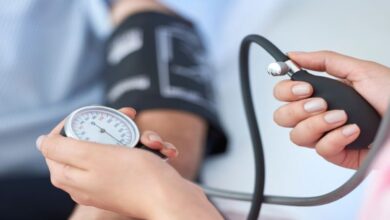
Untreated sleep apnea can affect more than sleep quality because repeated breathing interruptions and changes in oxygen levels are associated with health problems like high blood pressure and cardiovascular complications. Anyone who regularly has breathing pauses during sleep, wakes up gasping or experiences daytime sleepiness should speak with a healthcare professional about being evaluated.
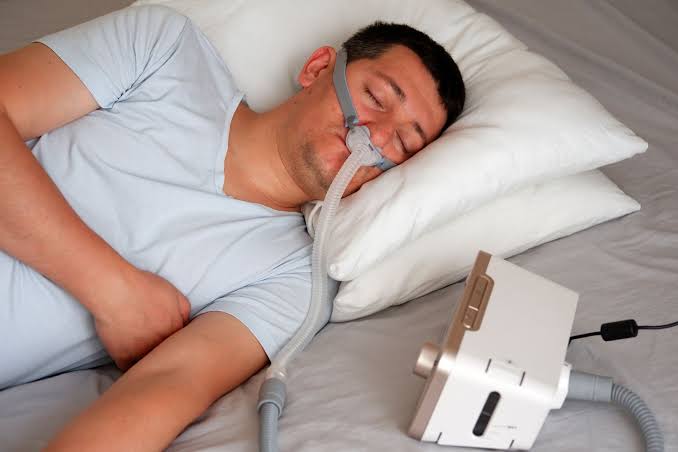
A sleep study may be used to determine whether someone has sleep apnea and how severe it is. Treatment depends on the type and severity of the condition and may include devices such as CPAP, oral appliances or other treatments recommended by a healthcare professional.