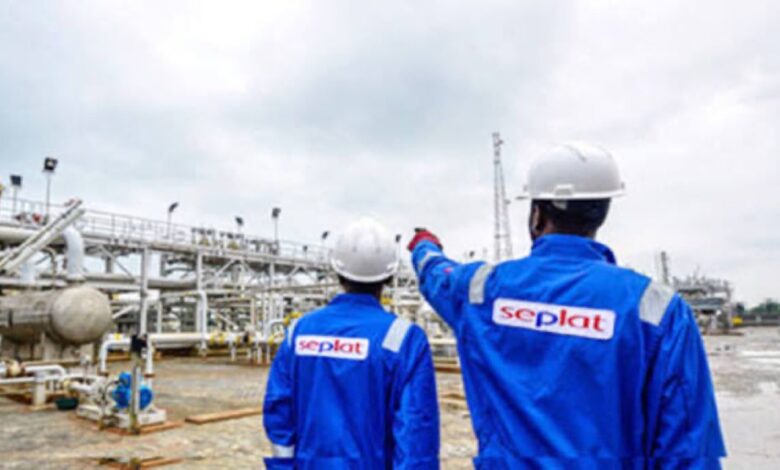
Seplat Energy came to an agreement to sell a 10% working interest in its joint venture with the Nigerian National Petroleum Company Limited (NNPC Limited) for $281.6 million, a deal that shifts control of one of Nigeria’s most strategic oil assets. Here is what’s actually driving the transaction, and what it means beyond the headline number.
Why Seplat is selling. The move is part of Seplat’s broader portfolio optimisation strategy and not a sign of financial distress. The company just posted a 498% profit surge to $164 million for the first half of 2026. Roughly half of the proceeds will go toward cutting debt, with Seplat already having repaid $200 million of its Advanced Payment Facility, while the other half funds a special shareholder dividend of 23.3 cents per share.
Why NNPC wants more. NNPC’s stake in the joint venture will rise from 60% to 70% once the deal closes, deepening the national oil company’s control over a field CEO Roger Brown himself called one of Nigeria’s most strategic assets. It reflects NNPC’s push to expand direct ownership across the country’s upstream oil sector, rather than relying solely on royalties and taxes from private operators.
Does this affect fuel production or government revenue? Not in the short term, Seplat maintains full operatorship of the joint venture with its remaining 30% stake, meaning day-to-day production management stays unchanged. However, Seplat revised its 2030 production target down from 200,000 to 170,000 barrels of oil equivalent per day, and total reserves will shrink by about 13% following completion, changes tied to giving up a larger revenue share rather than any operational disruption.
What it means for investors. Seplat shareholders benefit directly, with total 2026 distributions now expected to hit $410 million, a 173% jump from the previous year. For NNPC and the government, the deal signals a deliberate strategy of increasing state ownership in high-value joint ventures, a trend investors in Nigeria’s oil sector will most likely watch closely as more such deals emerge.